10 Ornamental Trees That Are Safe to Plant Near Your Home's Foundation
.jpg)
~4 mins
It’s easy to get carried away when you start pondering a landscaping renovation for your Idaho Falls or Jackson Hole property.
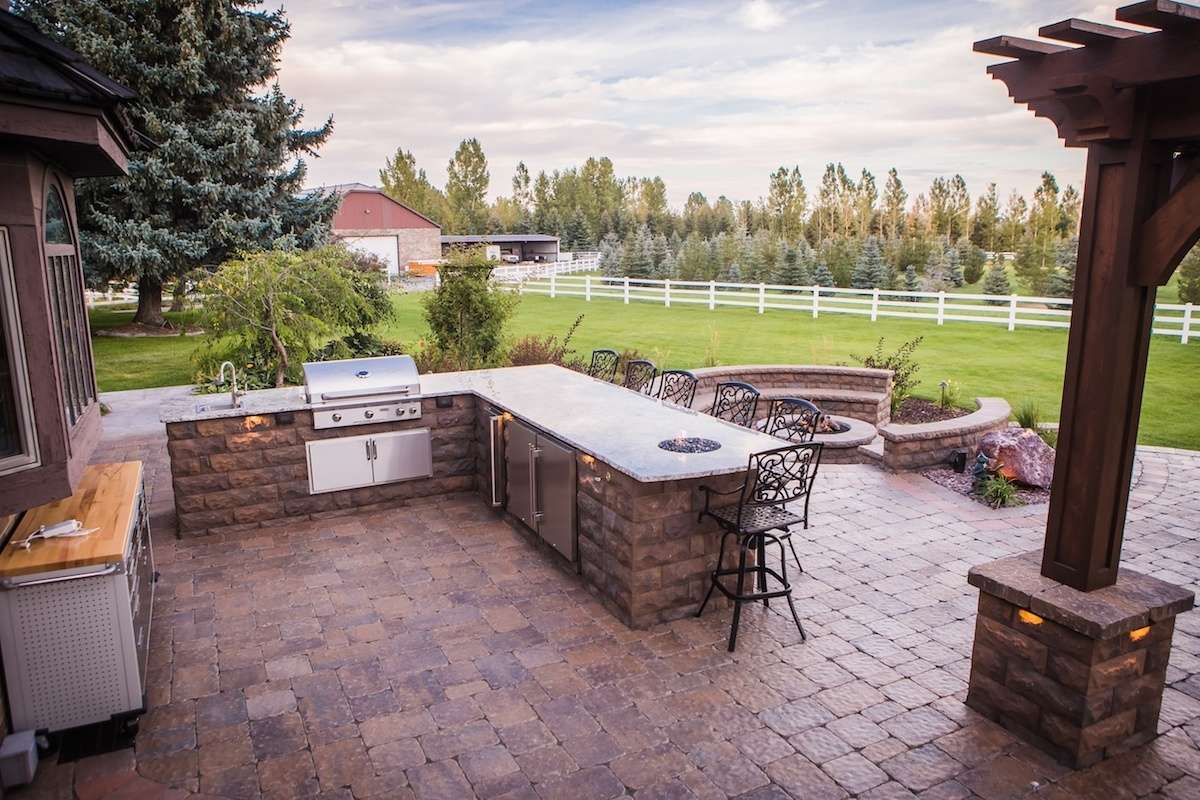
A stunning new patio. Vibrant trees and shrubs. Maybe an outdoor kitchen. A cozy fire pit. A backyard wellness retreat with a rejuvenating sauna.
Suddenly, it sounds like a lot.
Is it possible to build a landscape in stages and not all at once? Absolutely. In fact, it’s a pretty common strategy. But planning is key.
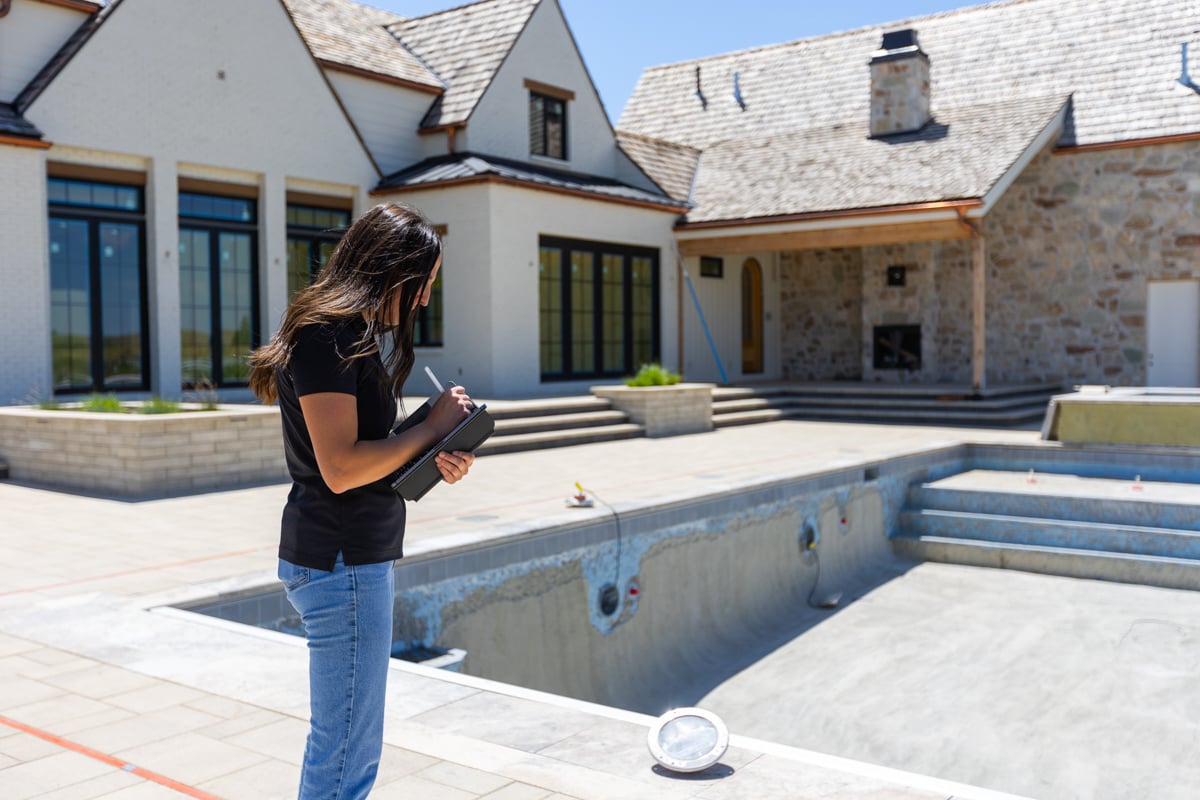
Kim Rubert, landscape designer at Outback Landscape, shares her best pro tips for smart landscape design stages in Idaho Falls and Jackson Hole.
Let’s learn more about phased landscape installation.
Installing a big landscaping project all at once is great when you can swing it, but not everybody can afford the up-front expense.
Phasing a landscape project means dividing the often mammoth task into smaller, more manageable projects that can be completed over time.
“We completely understand the desire to break up a project over time,” Rubert says. “For many clients, it's a practical way to move forward. We can help them do it thoughtfully and by building each phase in a way that makes sense to complete the project.”
There are several scenarios where phasing makes sense, Rubert says:
Phasing lets you spread the expense of a big landscaping project over time, enjoying the features of the first phases right away while waiting to start the next.
But it’s important to do all the planning up front, Rubert says. The landscape design process is super important.
“Phasing can be a great strategy when it’s done intentionally,” Rubert says. “We encourage starting with a comprehensive master plan. The most important thing is to plan the entire project up front — even if you don’t build it all at once. That way, even if construction happens in stages, everything is working toward the same end goal.”

Why is a comprehensive master plan so important? Several reasons, Rubert says:
What’s the best way to start a landscape redesign?
That important master plan Rubert recommends starts with a lot of questions. Whether you’re tackling your Idaho Falls landscape installation in phases over time or all at once, the goal is the same: a beautiful outdoor space you’ll use and love.
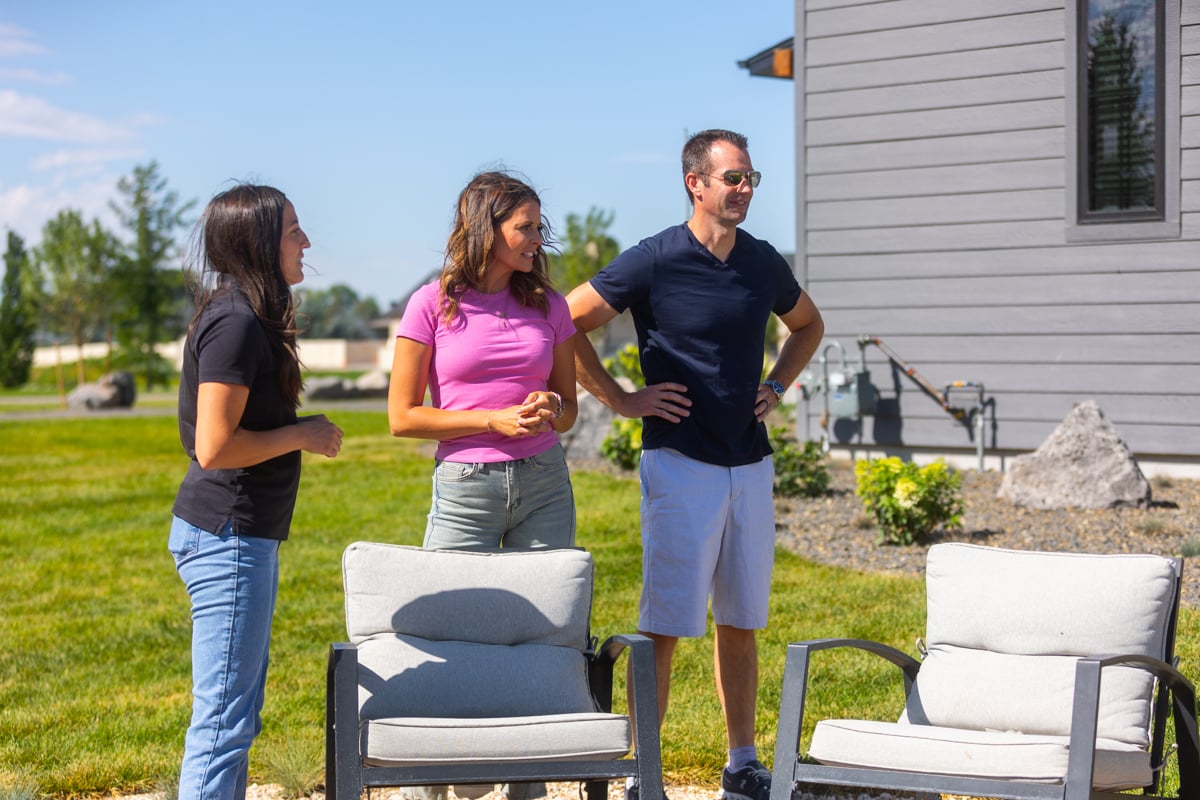
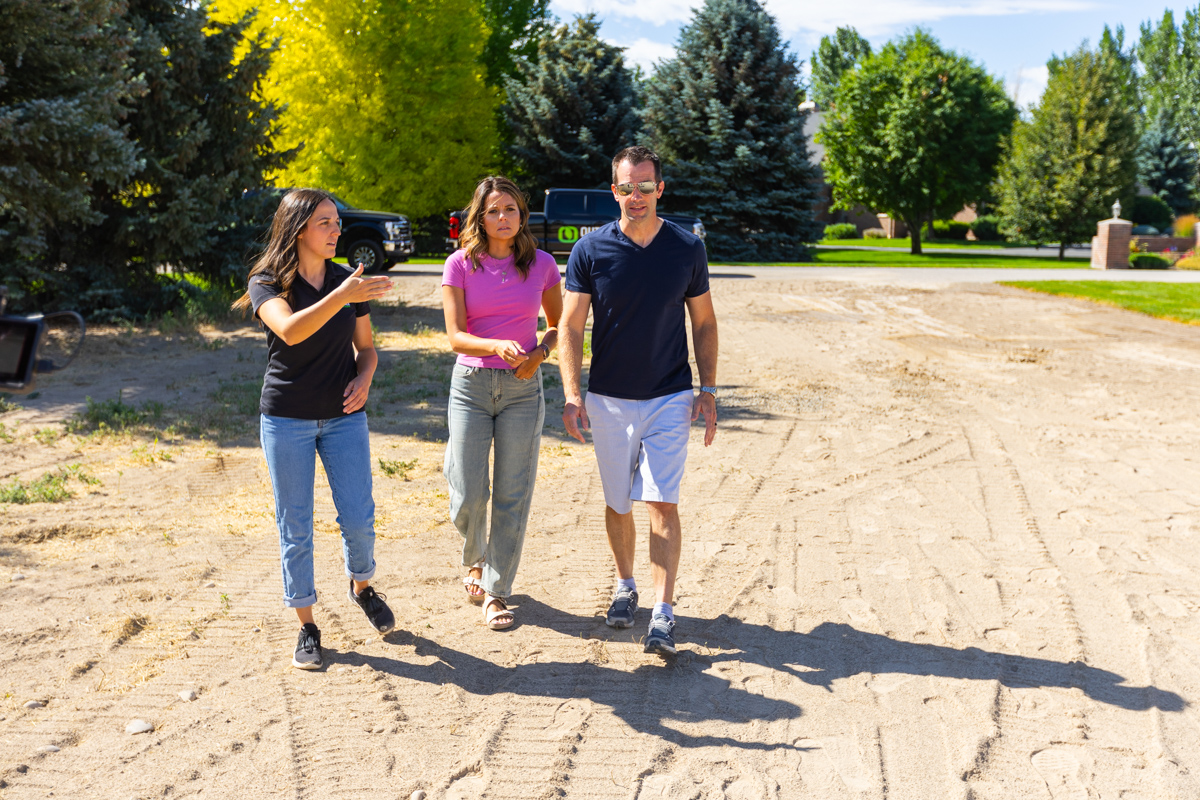
Rubert asks about the landscape's function first when she sits down with a new customer to discuss the landscape design process.
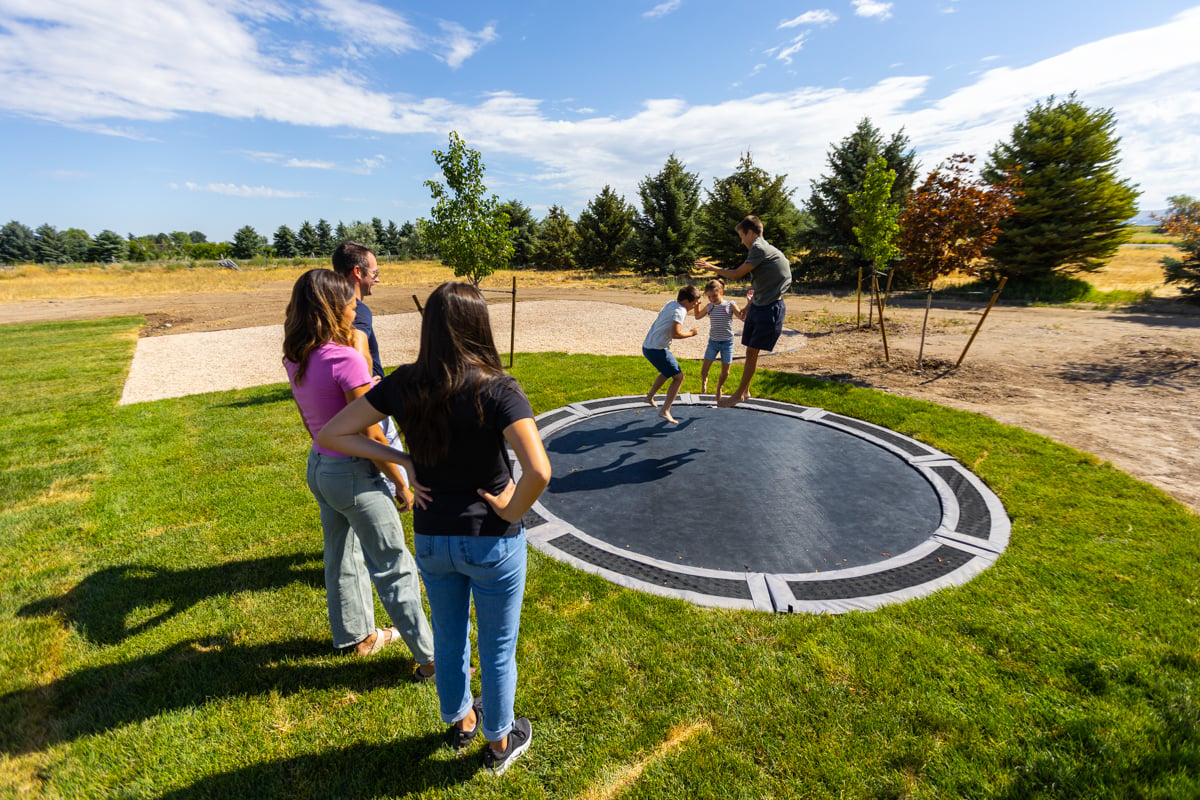
How do you live? What do you like to do? Do you have kids who need a play area? Pets? Do you entertain a lot? Do you need an outdoor kitchen? A backyard wellness retreat?
The answers help her narrow in on how the landscape should function — not just how it will look.
Rubert considers a multitude of factors during the landscape design process, from the client’s lifestyle to the property's size to the site’s lighting conditions.
Once she’s loaded up with property measurements, inspiration, client ideas and budget considerations, Rubert heads back to her office to get busy, using high-tech landscape design software to create the perfect landscape design.
Can you break up a large landscaping project over time? You bet. So, is there a logical order for what to do first when approaching a landscaping project in phases?
“Yes, and it will vary from project to project,” Rubert says. “Generally speaking, it’s better to get the ‘bones’ of the project in. Infrastructure first, always. Proper drainage, grading, and irrigation come first.”
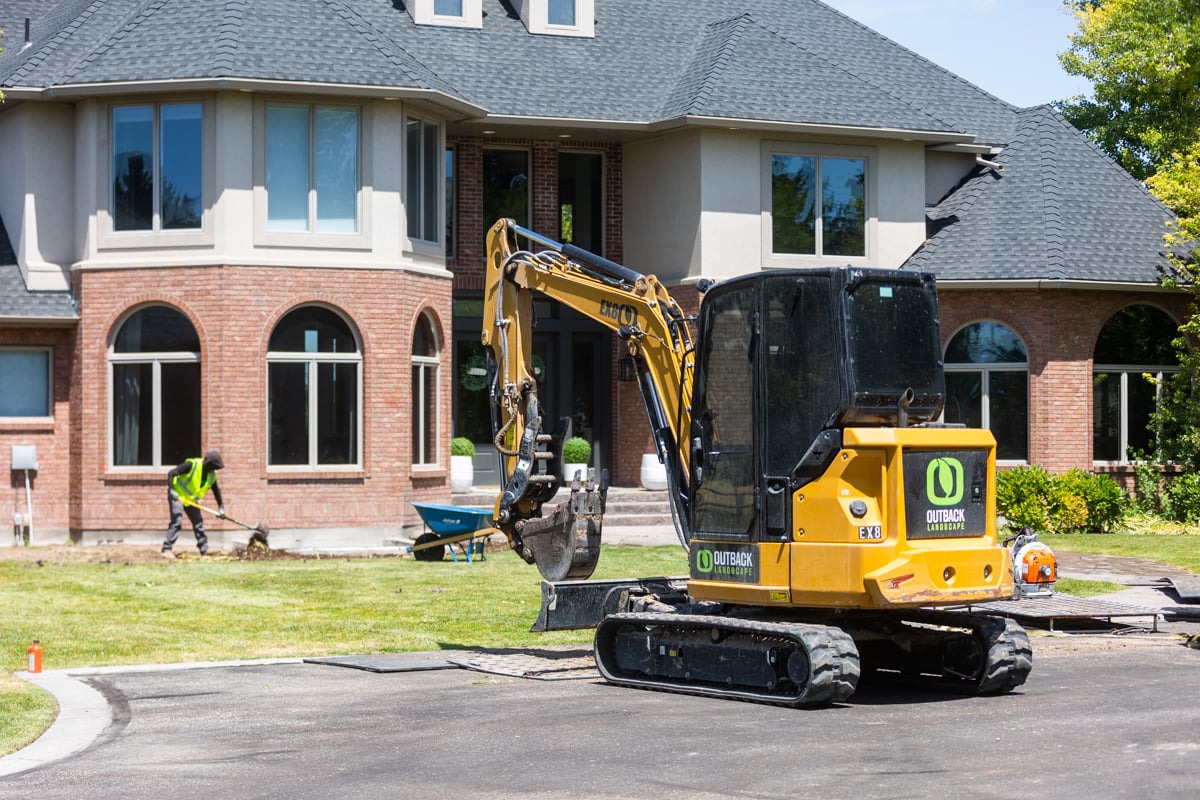
Proper grading and drainage are essential to prevent water pooling around your home's foundation, avoid runoff that strips away topsoil, stop soggy, waterlogged soil, and create level, functional outdoor spaces.
The prettiest patio won’t do you much good if it’s under an inch of water every time it rains.
Installing irrigation should be done early because it involves digging and trenching. Do this later, and it will damage your lawn, new plants and hardscaping.
Plus, new sod and plants need water right away.
“Hardscape comes next since it defines how the space functions and flows.” Rubert says.
Hardscape is one of the few backyard landscape features Rubert includes in every landscape design, regardless of size.
A patio is your outdoor hangout, your haven, your entertainment hotspot. Everybody needs one.
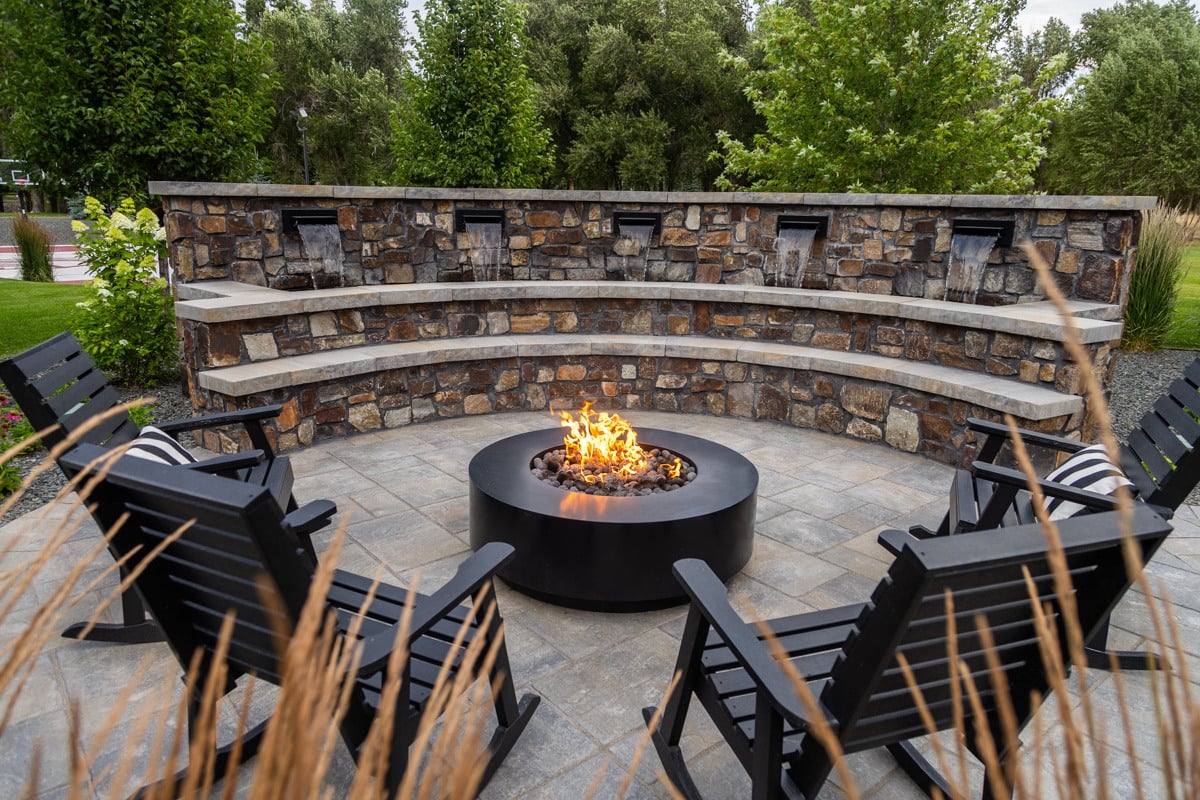
Patios can loom large, with separate levels, terraces, and outdoor rooms for different purposes. Or a patio can be a cozy, intimate spot, perfect for romantic candlelit dinners or peaceful morning yoga.
Whatever your patio vibe, it should be part of an earlier phase.
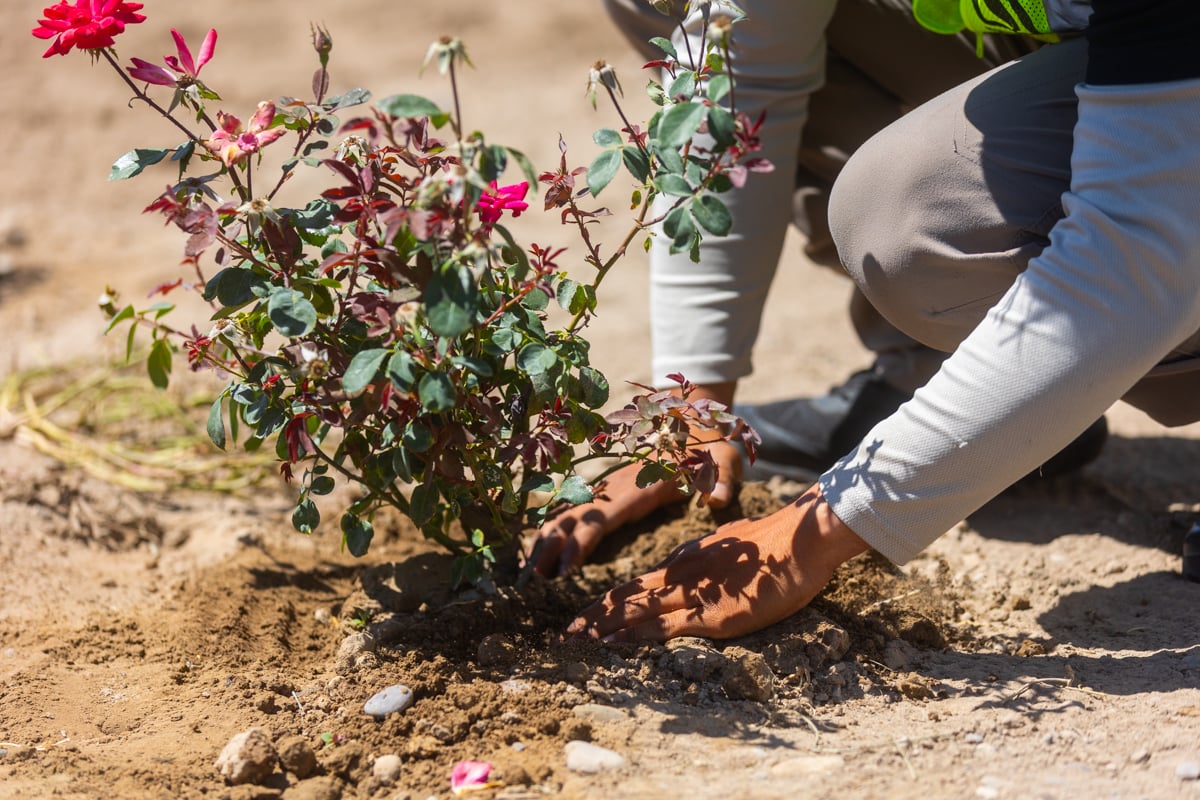
Rubert likes planting trees early in the process, too, so they can start growing. She’s a big fan of trees.
“Trees go a long way in a landscape,” Rubert says. “They’ll grow to be large, and they make the biggest impact.”
They can also be purchased in smaller sizes, so if you’re not in a big hurry, she often recommends starting with younger trees “to get more bang for your buck.” If you’ve already decided you’re doing your landscape renovation in phases, saving money is probably on your radar.
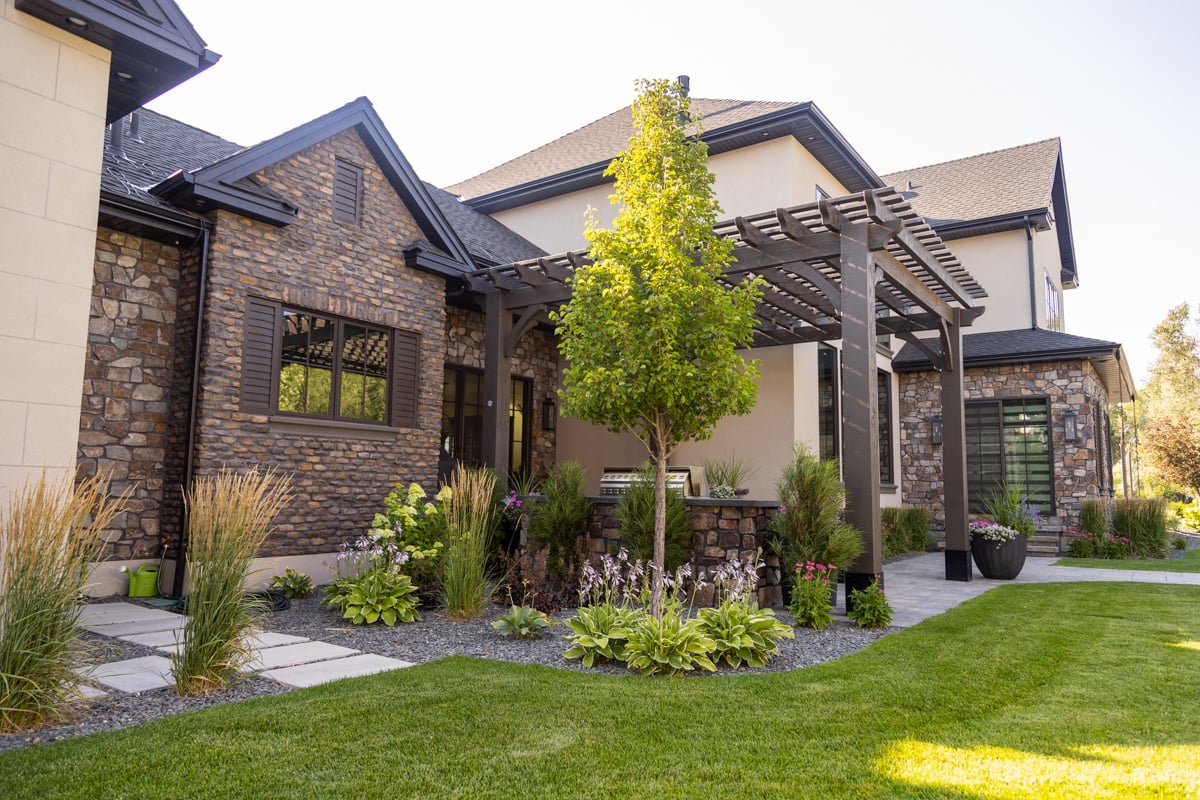
Plants and additional structural features, such as pergolas, can wait until later phases, Rubert says.
What’s the best way to save money on a large landscaping project? Scale back. Prioritize the features you’ll really use and love.
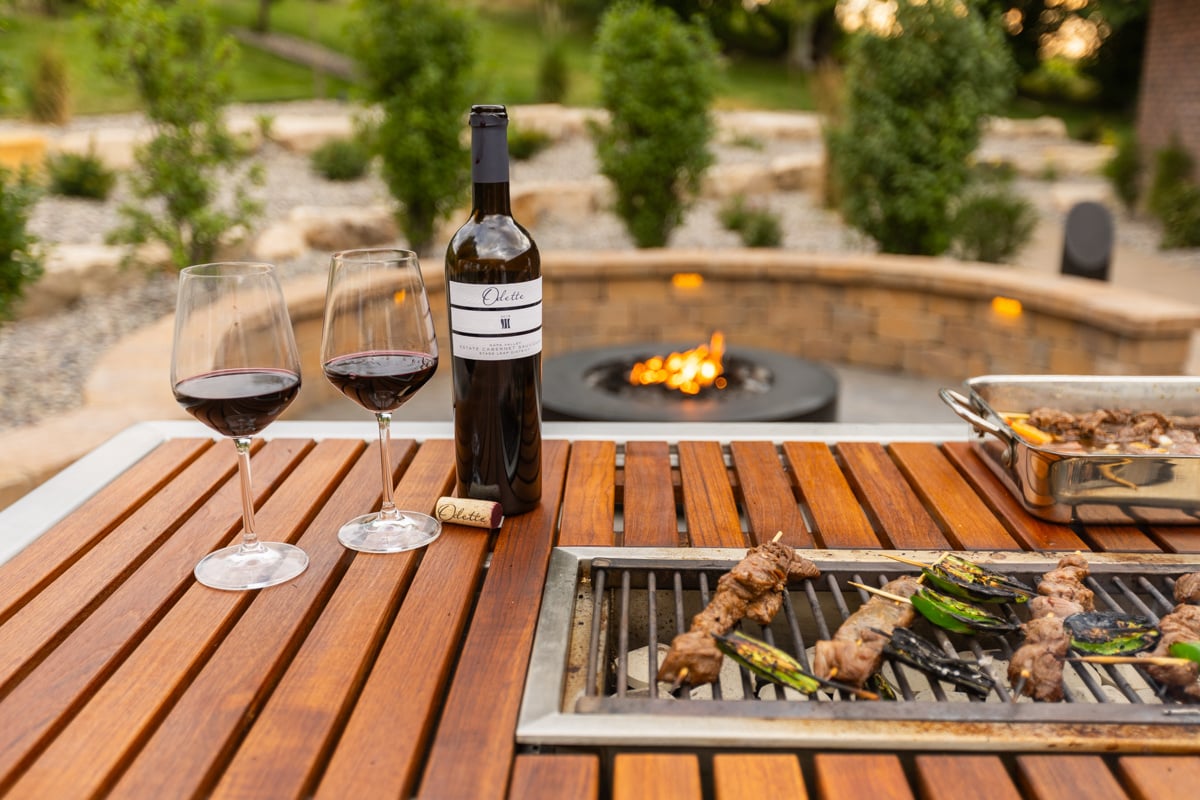
What can be saved for last, or cut out entirely to save money?
Rubert’s advice:
While homeowners sometimes want to spread out the cost of a big landscaping installation over time, that approach can actually increase the total cost, Rubert says.
The cost of extra logistics, labor inefficiencies and material price increases all add up, she says.
“There’s also the possibility of rework — installing something temporarily that later needs to be adjusted or removed,” Rubert says.
Other pitfalls when you approach landscaping in phases, over time:
“That said, with good planning, we can minimize those inefficiencies,” Rubert says. “And if it helps with budgeting to get the total project done by breaking it up into more manageable pieces, then it’s worth it to do.
“A well-phased project can absolutely be successful, and even enjoyable,” Rubert says, “if expectations are clear and the plan is solid from the beginning.”
What’s the best way to start a landscape redesign?
Start with a skilled, creative landscape designer like Rubert, who will help you define the way you want to live out there, then wow you with innovative landscape ideas you’ll love, whether you’re tackling your project in phases over time, or all at once.
Outback Landscape is a full-service landscaping company. We design and install beautiful, functional landscapes and stay with you for the long haul, taking care of your property through all four seasons.
We serve residential and commercial properties in Idaho Falls, Rexburg and Pocatello, Idaho; Bonneville, Madison and Bannock counties and Jackson Hole, WY. Call us at 208-656-3220 or fill out our contact form to schedule a no-obligation meeting with a member of our team. We can’t wait to hear from you.
We can't wait to hear from you.

.jpg?width=480&name=Chase%20Coates%20Team%20Portrait%202%20(2).jpg)
Chase founded Outback Landscape in 2003 and has grown it into a regional leader in design, construction, and maintenance. As President, he drives strategy, ensures quality, and builds the systems that allow Outback to deliver excellence at any scale.